Short answer
Needle and sharps disposal time depends on the type of service. A found-needle pickup in one small area can be completed in a single short visit, while a large lot, dense vegetation, or a cluttered building takes longer because the search must be slow and thorough. Home-generated sharps usually follow a container exchange or mail-back cycle, where the timeline is set by how fast the container fills.
Two kinds of service, two different clocks
The answer to how long it takes depends first on what you need. Sharps disposal covers two very different situations, and they run on very different clocks.
The first is found sharps: needles discovered in a yard, a parking structure, a public restroom, a rental unit, or along a trail. Here, the job is a search-and-collect visit, and the time is driven by the size and condition of the area.
The second is home-generated or facility-generated sharps: needles, lancets, and pens used for a medical condition or produced by a clinic, salon, tattoo studio, or veterinary office. Here, the service is usually a recurring container exchange or a mail-back program, and time is measured in pickup cycles rather than hours on site.
Knowing which one you need helps you ask the right questions and read the estimate you receive.
What sets the pace of a found-needle pickup?
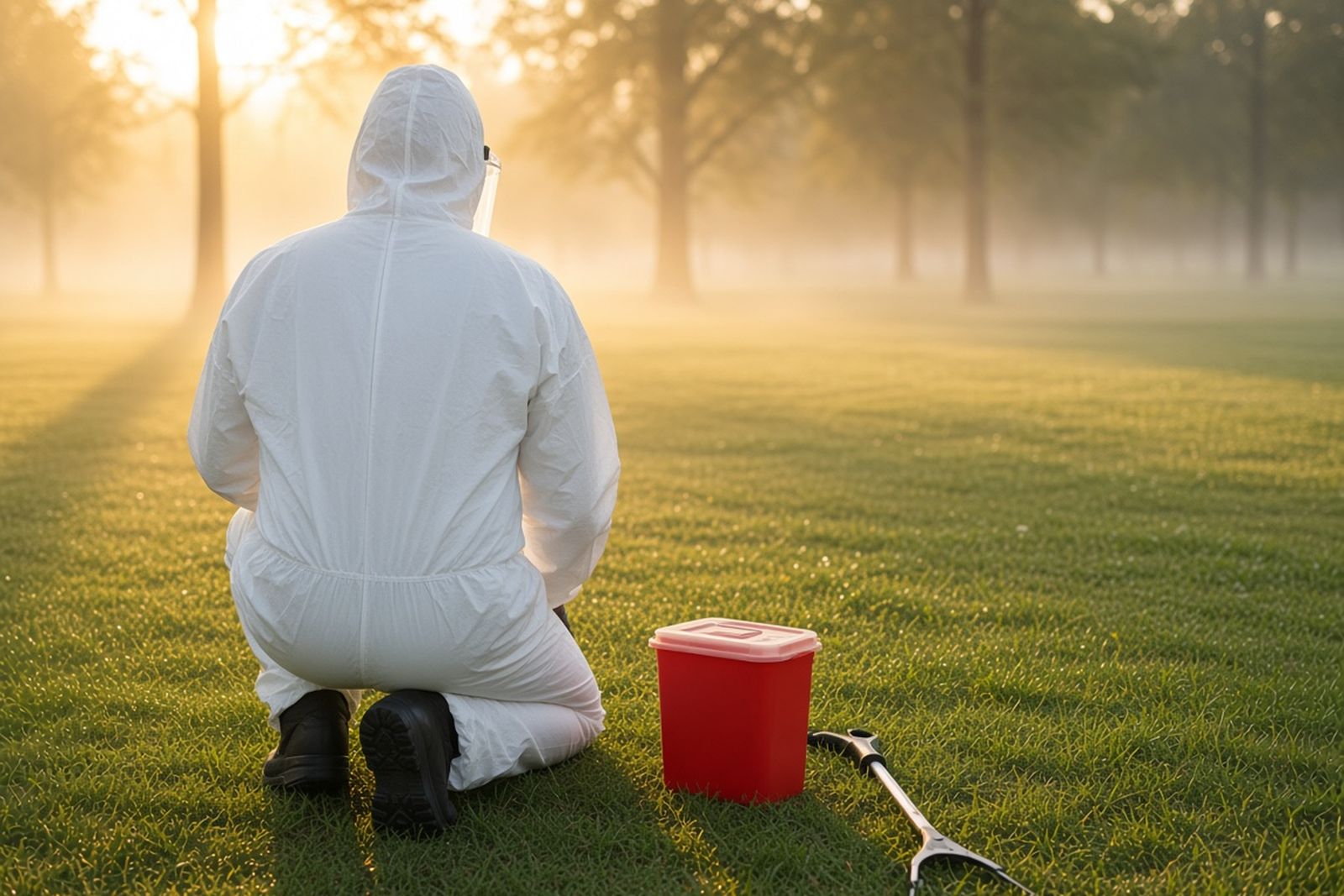
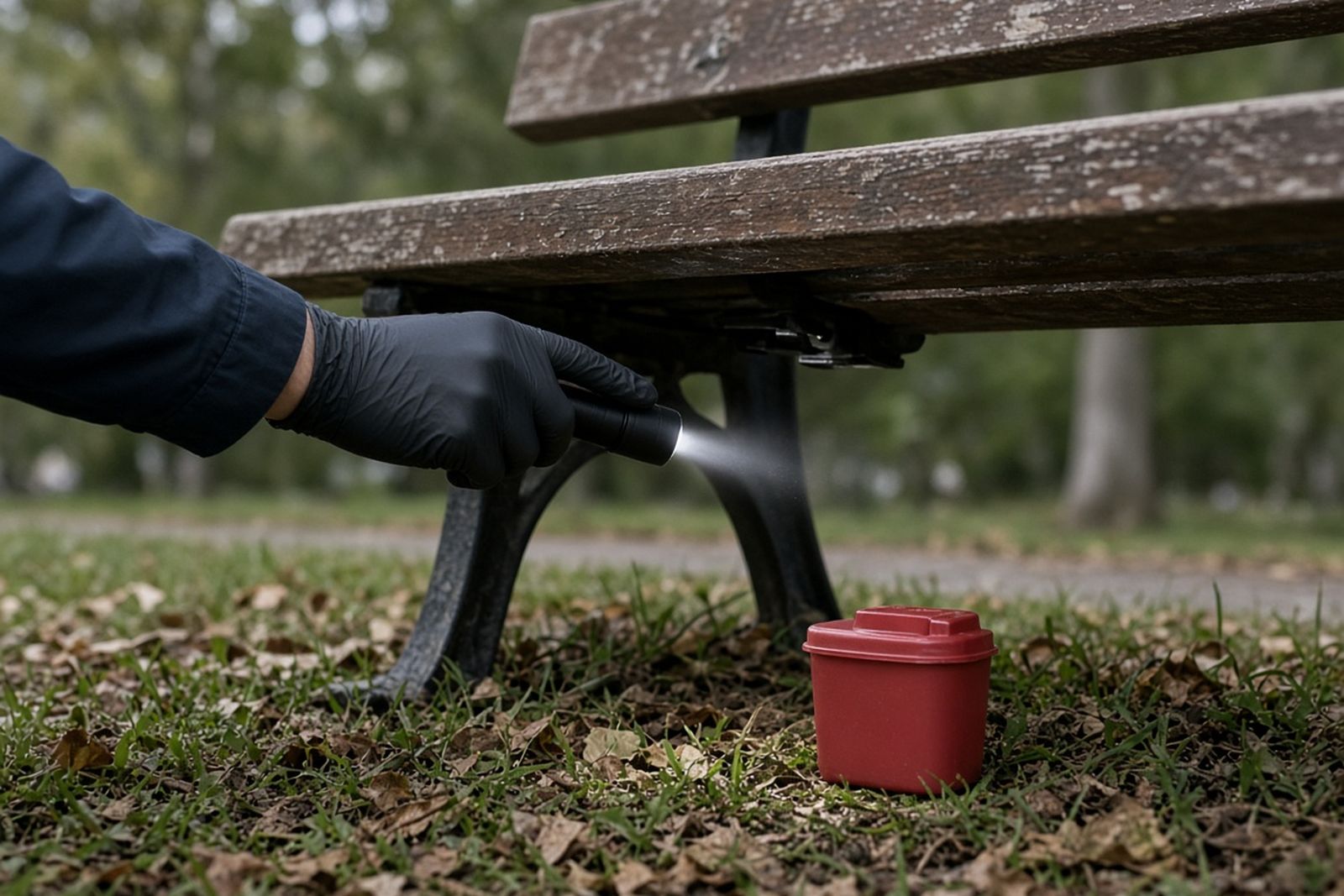
Found-needle work is paced by the search. A technician cannot just collect the syringes that were reported. Needles rarely appear alone, so the crew searches the surrounding area in overlapping passes, using tools to part vegetation, lift debris, and check under objects. Every item is collected one at a time with a no-touch tool.
A small, clear area such as a single stairwell landing or a short stretch of sidewalk can be searched and cleared quickly. The same number of needles scattered across a wooded lot, a large parking deck, or a brush-choked fence line takes far longer. Tall grass, leaf litter, gravel, and mulch all hide needles and require slow, careful raking.
Lighting and access matter as well. Crawlspaces, under-stair voids, storm drains, and alcoves may need extra lighting or equipment. Locked areas need keys or escorts. A building with many units or floors adds travel time between search zones.
Weather plays a part outdoors. Rain can wash needles into gutters and drains, wet leaves cling together and hide what lies beneath, and snow can cover a site entirely until it melts. Crews may reschedule for safety or return after conditions change, which is worth factoring into any timeline for an outdoor area.
- Size of the area in scope and how it is divided.
- Ground cover such as grass, mulch, gravel, or debris piles.
- Hidden spaces like drains, voids, and planters.
- Access, lighting, and whether the area can be closed to the public.
When other debris is mixed in
Needle sites often include more than needles. Encampment debris, bedding, food waste, clothing, and sometimes human waste may be mixed in. If the scope includes removing or cleaning that material, the job gets longer, sometimes substantially.
Debris has to be handled carefully because needles hide inside it. A crew will not simply scoop up a pile of blankets; they check each item or lift it in a way that keeps hands clear of anything sharp inside. Bags are handled from the top and never compressed by hand.
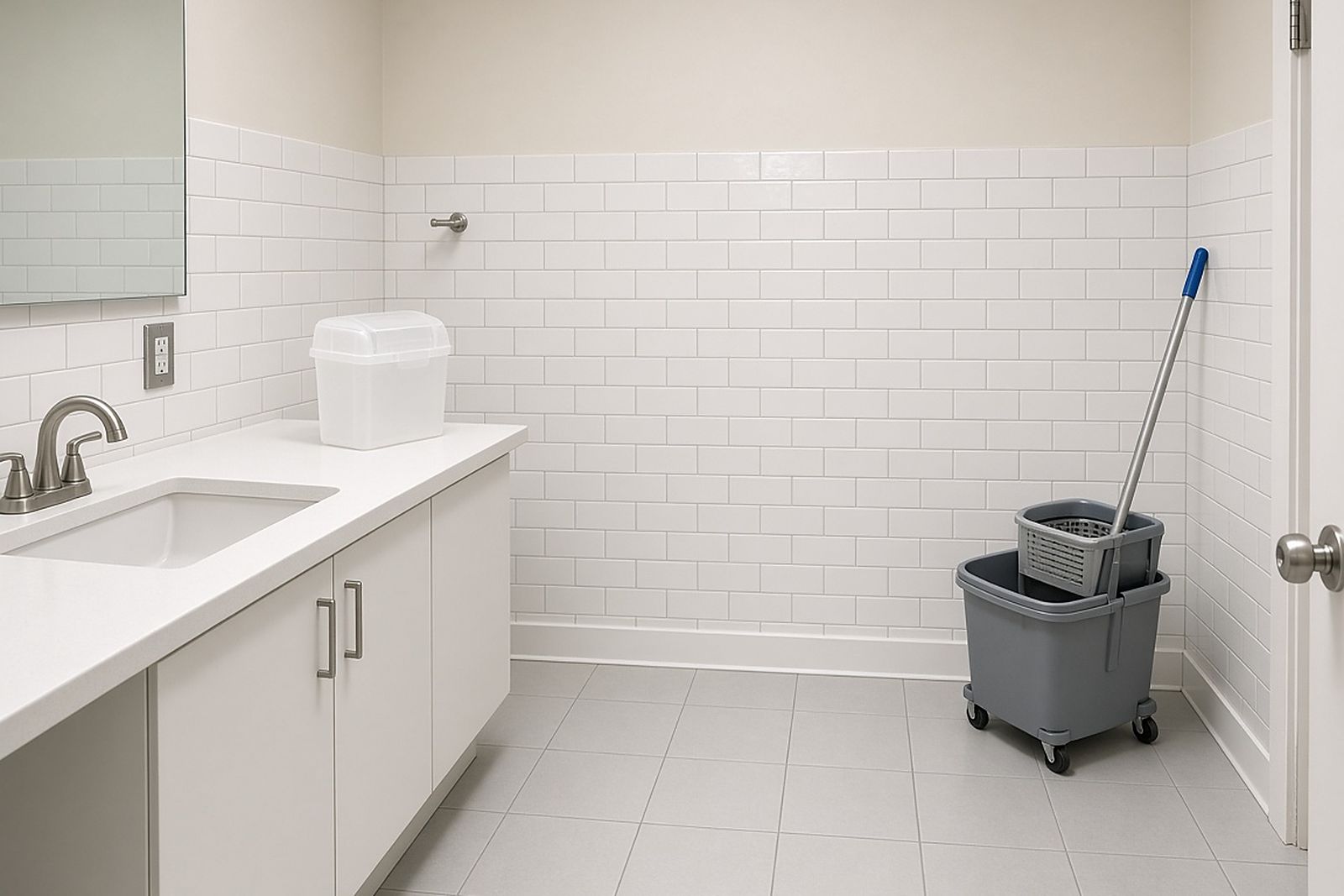
If surfaces need disinfection after sharps and debris are removed, such as a restroom floor or a stairwell with blood present, the disinfectant's contact time adds to the visit. Ask your provider to separate the sharps collection time from the debris and cleaning time in the estimate so you can see where the hours go.
Indoor sites: apartments and hotel rooms
Indoor searches are often slower than people expect, because sharps can be hidden in so many places. Technicians check under and inside mattresses, between couch cushions, in drawers, behind toilets, inside toilet tanks, in ceiling tiles, and in the pockets of abandoned clothing.
A sparsely furnished room is quick. A cluttered unit with many belongings takes much longer, and a hoarded unit may need a phased plan where debris removal and sharps collection proceed together, room by room.
Before a rental unit is re-occupied, ask your county health department whether anything else is required, such as an inspection, and keep the provider's documentation in the property file.
Occupancy also affects scheduling. If the unit is still lived in, or guests are booked into neighboring rooms, the crew may need to work around people coming and going. Vacant units are simpler because the crew can close doors, spread out, and move through each room without interruptions.
Container exchange, mail-back and facility pickups
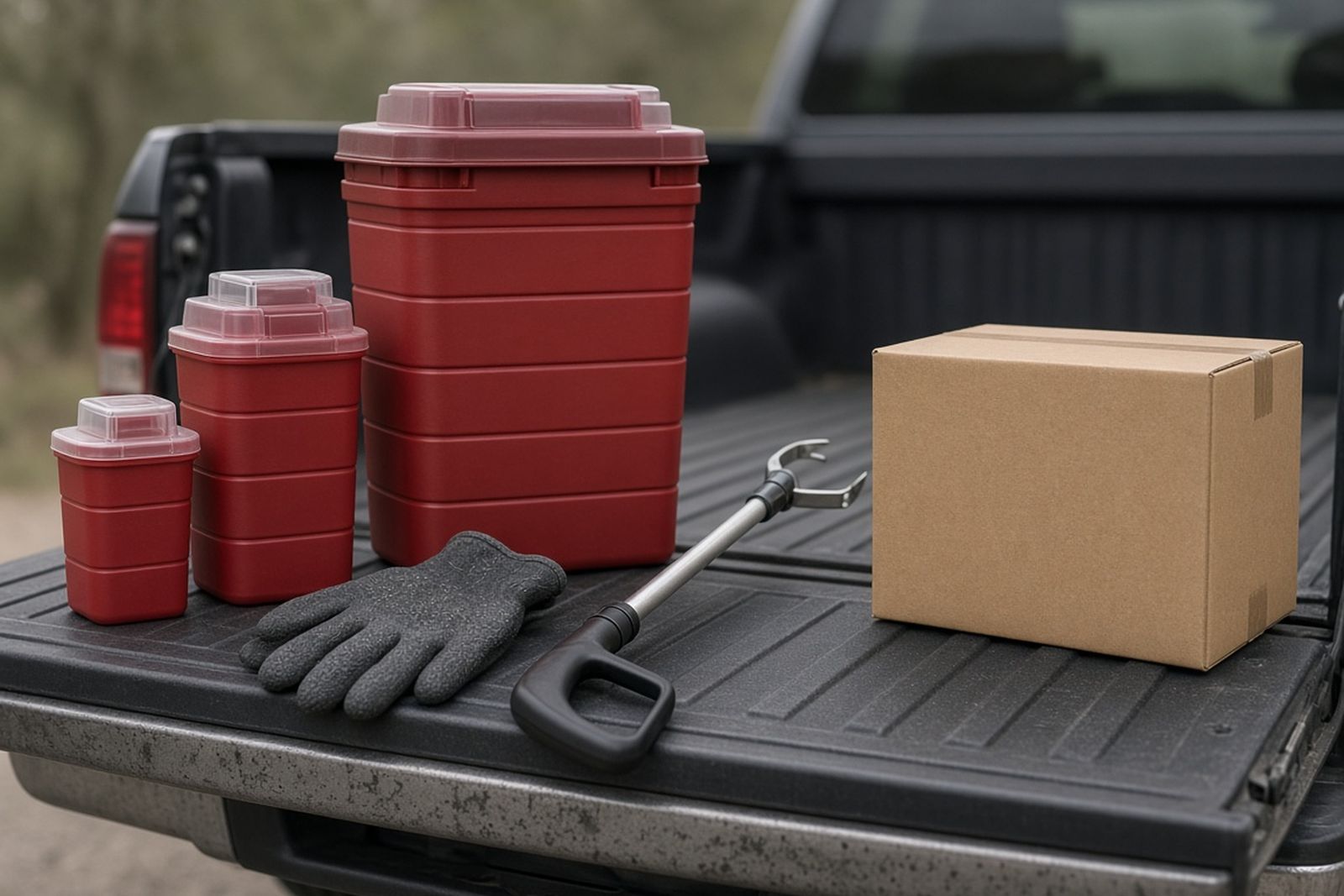
If you use sharps at home, the timeline is set by your own use. With a container exchange service, a provider drops off an empty container and returns on a schedule, or when you call, to swap it for a new one. The visit itself is short; the cycle length depends on how quickly you fill the container.
Guidance from the FDA, published in 2021, tells households to seal a sharps container and dispose of it once it is about three-quarters full, in line with community guidelines. So a container that someone uses several times a day will cycle faster than one used a few times a week. Providers can help you choose a size that matches your use so you are not waiting on a pickup with a full container.
Mail-back programs follow a similar rhythm. You receive a container, fill it to the line, seal it according to the instructions, and ship it in the prepaid packaging. Plan to request the next kit before the current one is full, since shipping takes time in both directions.
Clinics, dental and veterinary offices, tattoo studios, pharmacies, and similar businesses generate sharps on a steady basis. For them, the provider sets up a regular pickup schedule. The on-site stop is usually brief: the technician collects sealed containers, provides new ones if needed, and leaves paperwork.
The real time investment for a business is in setup and recordkeeping. You may need to register as a generator, keep tracking documents, and train staff on container use. Those steps are typically done once and then maintained.
If your volume changes, ask your provider to adjust the schedule. Waiting too long between pickups can lead to overfilled containers, which is one of the most common causes of accidental sticks.
A typical found-needle visit, start to finish
Most single-visit jobs follow the same arc. It starts with the call: you describe each spot where needles were seen, send a couple of distance photos, and keep the area roped off until the earliest slot the provider can offer.
On arrival, the crew walks the site with you and agrees on the zones to search. For a small commercial property, that might mean a dumpster enclosure, a planter by the entrance, a landscaped strip along the building, and a back service lane, even if needles were only reported in two of those places.
The search then moves zone by zone. Planters and landscaped strips are raked gently in layers. A dumpster enclosure is checked around the base, under pallets, and along the fence. At the end, the lead technician gives you a count, shows you where items were found, and seals the containers for transport.
For a site of that size, the work usually fits into a single visit. If the crew finds signs that an area is used regularly, they may recommend a recurring sweep, which tends to go faster each time as the area stays cleaner.
Helping the job go faster and safer
Clear information helps most. Tell the provider exactly where needles were seen, roughly how many, and what the area is like. Photos taken from a safe distance are useful. Mention any locked areas, pets, or people who might be on site.
Keep people away from the area until the crew arrives, but do not attempt to collect needles yourself or cover them with a bucket or box, which makes them harder to find. If you must mark the location, place a cone nearby rather than on top of the needle.
Plan who will meet the crew and who can approve changes if they find more than expected. A quick decision on the spot keeps the visit moving.
- Share location, rough count, and distance photos.
- Keep people and pets clear without covering or moving needles.
- Arrange keys and access to every zone in scope.
- Designate someone to approve a larger search if needed.
Right after the job is done
Ask for a record of the visit: how many sharps were collected, where they were found, and how they will be disposed of. Keep it with your property or business records. If needles keep appearing, those records help you see patterns and plan prevention, such as better lighting or a public disposal box.
If anyone was stuck by a needle before or during the search, remind them to seek medical care promptly. Quick evaluation is always more important than the cleanup timeline.
Finally, think about the next time. Post a simple instruction for staff or residents: do not touch, keep others away, note the spot, and call. Keep the provider's number where people can find it. A clear plan in place means the next report turns into a quick pickup instead of an uncertain wait while someone figures out who to call.