Does Insurance Cover Needle and Sharps Cleanup?
When a claim makes sense for sharps, and when other help exists
Most needle pickups are paid for by a property owner or public agency. But insurance can matter in some cases. Examples include vandalism, a problem tenant, or a needlestick injury. This guide explains which policies may help and the common exclusions. It covers how to document what happened and how to work with an adjuster. It also covers public health help that may be available.
Get an email reply about needle & sharps disposal
Send a short message to the follow-up inbox. A coordinator can reply by email. This form does not send emergency help; call 911 first if anyone is in danger.
What published figures say about coverage and payment
- 14%
In a 2019 survey of 1,200 Americans with diabetes, about 14 percent said they typically dispose of used needles or lancets in a household trash can.
Read with care: Commissioned by a disposal company and based on self-reported behavior.
Source: Stericycle (PR Newswire) (2019)United States adults with Type 1 or Type 2 diabetes, online survey, 2019
- July 1, 2012
Since July 1, 2012, Massachusetts regulation 105 CMR 480.125 has prohibited disposing of home sharps, including unopened needle and lancet packages, in household or other municipal solid waste.
Read with care: Applies only in Massachusetts; enforcement is at the local level and approved disposal options vary by town.
Source: Massachusetts Department of Public Health (via Cornell LII) (2012)Commonwealth of Massachusetts, home-generated sharps
- 33%
In a 2019 Journal of Diabetes Science and Technology survey of 150 insulin users, 33 percent discarded insulin needles unsafely, typically in household trash, and 64 percent had never received sharps-disposal education.
Read with care: Small single-center sample; unsafe was defined as anything other than a sharps or sealable container.
Source: Journal of Diabetes Science and Technology (PMC) (2019)Convenience sample of 150 inpatients and outpatients at a single US health system
- $45
One national residential mail-back vendor lists flat rates of $45 for a 1-quart sharps mail-back kit, $75 for 2 gallons, and $135 for 5 gallons, including container, prepaid return shipping and disposal.
Read with care: A single vendor's list price; many states, counties and drug manufacturers offer free mail-back kits.
Source: Medical Waste Pros (2026)Single US vendor's published residential pricing as of 2026
- $0.30-$0.80/lb
An industry pricing guide reports regulated medical waste disposal typically costs $0.30 to $0.80 per pound in 2026, with small generators paying toward the high end.
Read with care: Vendor-published estimate, not an independent survey; surcharges and minimum fees often exceed the per-pound rate.
Source: MedPro Disposal (2026)US commercial regulated medical waste haulers, per-pound base rates
- $4,000
Biohazard cleanup nationally averages about $4,000, with a typical range of $3,000 to $5,000 and extremes from $1,500 to $25,000, per Fixr's January 2025 guide.
Read with care: Fixr figures are editorial cost estimates compiled from contractor and industry data, not a statistical survey of completed jobs; local prices vary widely.
Source: Fixr (2025)United States, residential biohazard cleanup, estimates as of January 2025
These figures are public research and agency data, not this network's own job records. Keep each number with its population, year and limits; none of them predicts cost, timing or outcome at a specific property.
Which policies might respond to sharps-related losses?
Homeowners and landlord policies sometimes help when sharps are found along with a covered event. Examples are a break-in, vandalism, or malicious mischief that left damage and mess behind. Renters policies protect a tenant's belongings and liability. They rarely pay to clean a unit. Business property policies may treat contamination in a similar way. It depends on how the loss happened and how the policy defines covered causes.
Liability coverage becomes important if someone gets stuck on your property and makes a claim. Business general liability, and the personal liability part of homeowners policies, may help with injury claims, based on their terms. Workers' comp covers employees who get needlestick injuries on the job. It pays for exams and treatment. Each of these works differently. Figure out which one fits the situation before you call an insurer.
- Homeowners or landlord policy for vandalism or break-ins
- Business property coverage for contamination after a covered event
- General or personal liability for injury claims
- Workers' comp for employee needlesticks
- Renters coverage for a tenant's own belongings
What exclusions commonly limit coverage?
Routine sharps pickup is usually seen as a maintenance cost, not a sudden covered loss. This is most true outdoors or when it happens again and again. Many property policies also have pollution or contamination exclusions that insurers may point to. Deductibles are often higher than the cost of one pickup. So a claim often isn't worth it for small events, even if coverage might exist on paper.
In rentals, other exclusions can come up. These include intentional acts by a policyholder, vacancy, and neglect. If a unit sat empty longer than the policy allows, vandalism coverage may be limited. Damage caused by a tenant may be treated differently from damage caused by an intruder. Read the definitions and exclusions carefully. Ask your agent to explain how they apply to you.
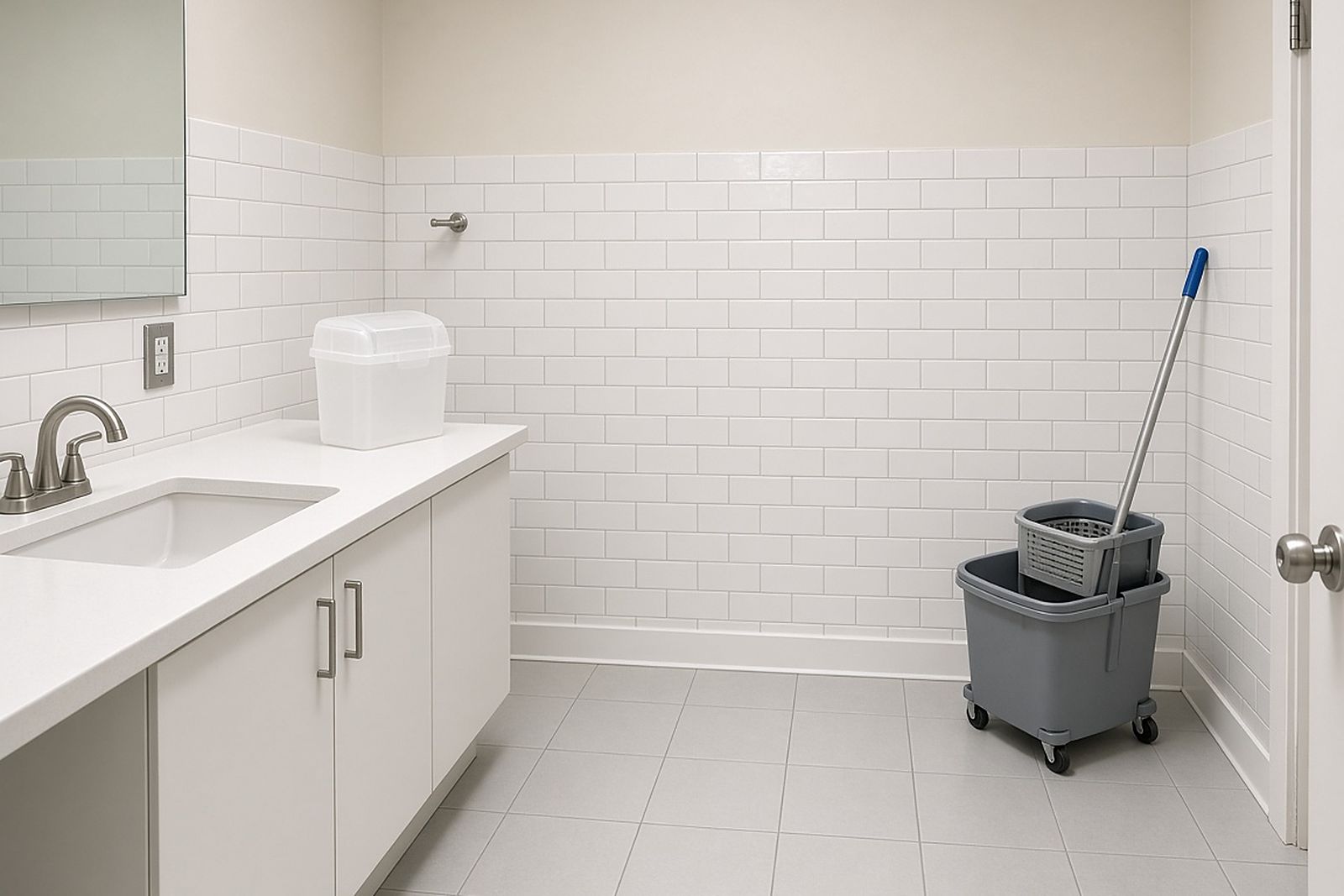
Why do state rules shape who is responsible?
In the United States, states mostly regulate medical waste. According to the EPA in 2024, the agency has had no specific federal authority over medical waste since the Medical Waste Tracking Act of 1988 expired on June 21, 1991. That left regulation mainly to state environmental and health departments. So rules about who can haul and treat sharps differ a lot from place to place.
This matters for insurance because insurers and adjusters will expect disposal to follow local rules. Using a licensed provider and keeping disposal records helps show the cleanup was done right. Improper disposal, like putting sharps in ordinary trash, can create its own liability. It can also weaken a claim that was otherwise sound. Rules vary by state and county; verify with the local authority.
How should you document a sharps-related claim?
Before anything is moved, take photos of the area from several angles. Show where sharps were found and any related damage, like broken windows, forced doors, or soiled furniture. Write down the date and time you found them, who found them, and who was told. If you think there was a break-in or vandalism, file a police report. Keep the report number with your notes.
When you can, get a written plan from the provider before work starts. Afterward, get a final report with photos, item counts if they give them, and disposal records. If someone was hurt, keep the incident report, witness names, and medical referral details apart from the property file. Share medical details only as required. Keep everything organized so you can answer adjuster questions quickly.
- Photos before anything is moved
- Date, time, and who found the sharps
- Police report number for break-ins or vandalism
- Provider's plan, report, and disposal records
- A separate incident file for any injury
How do you work with an adjuster on a sharps claim?
Tell your insurer right away and describe what happened plainly. Focus on the cause, like a break-in or tenant damage, not just the needles. Share photos and the provider's plan. Explain why you needed professional removal, including the injury risk and local disposal rules. Offer the adjuster access to the property if they want to look.
Expect questions about vacancy, past incidents, and upkeep. Answer with facts, and keep a log of every talk, with dates and names. If the adjuster suggests less work, ask what standard they are using. Ask whether it covers searching hidden areas. Confirm any agreement in writing. Keep your provider in the loop so their records answer the adjuster's concerns.
Should you file a claim at all for a sharps event?
Before you call an insurer, weigh the cleanup cost against your deductible and the full loss. A single pickup almost never justifies a claim. A vandalized empty unit with sharps, soiled mattresses, damaged fixtures, and broken locks might. Some owners also think about how a claim could affect future premiums or renewal. Your agent can help you think this through.
When someone is hurt, things change. Liability and workers' comp rules often require notice no matter the dollar amount. Waiting to give notice can cause problems later. If you're not sure, give notice and let the insurer or agent explain your options. Giving notice is not the same as filing a claim for payment. It keeps your rights in place.
What if a claim is denied or underpaid?
Ask for the decision in writing, with the exact policy wording it relies on. Compare it with your full policy and any add-ons. Ask your agent or broker to review it. Some denials come from a mix-up about the facts. For example, the insurer may treat vandalism as routine upkeep. More records, like a police report or the provider's findings, may help the insurer reconsider.
If the dispute is about the amount, send itemized support. Ask the insurer to explain how it did the math. Some policies have an appraisal process for disputes over amounts. Your state insurance department can answer general questions about claims. It also takes complaints if you think a claim was handled unfairly. Keep track of policy deadlines during any review, since appeal windows can close without warning.
What other help exists beyond insurance?
Public health programs are often the most useful help. Where they exist, many cities and counties run needle pickup hotlines. Some place drop-off boxes in the community or fund syringe services programs that collect used sharps. Parks departments, transit agencies, and business improvement districts may remove sharps in areas they manage. Calling your local health department is a good first step to learn what is offered.
Households managing health conditions at home may find free containers or drop-off sites. Pharmacies, hospitals, or solid waste agencies may offer these. Landlords may be able to take costs from a security deposit where allowed and documented. When sharps come from a crime, a court may someday order the offender to pay some costs back. But that is uncertain and slow. Keep invoices and reports organized in case a victim services office or court asks for them.
Keep the claim organized
Needle & Sharps Disposal insurance claim organizer
A checklist to keep the claim orderly. It stores nothing on our servers; copy the summary to your own notes.
0 of 18 steps recorded (0%)
Print or paste the summary into your own records. Coverage is the carrier's decision under the policy; keep every answer in writing.
Open the full tool page for a worked example and more answers.
What research has found
Findings from published studies of people and properties in situations like this one. They describe what researchers observed in a specific group; they are not predictions for your case.
Patient handling also contributed to injury incidents.
Sharps-disposal availability varied substantially between responding airports.
Insurance questions about needle & sharps disposal
Will my homeowners policy pay for needle removal from my yard?
Usually not, if needles were just dropped on your property with no other damage. That is often treated as upkeep, and the cost is often below the deductible. Coverage may be more likely when sharps come with a covered event, like vandalism or a break-in. Check your policy and ask your agent. Look for local public pickup services first.
What happens if an employee is stuck by a needle at work?
The worker should wash the site, report the injury right away, and get a prompt medical exam. Follow your plan for handling exposures. Workers' comp usually covers exams, testing, treatment, and lost time for needlesticks on the job. Report the injury to your insurer as required. Write down what happened, including where the needle was found and how it was handled.
Could I be liable if a visitor is stuck on my property?
Possibly. It depends on the facts and local law. A visitor may make a claim, and your liability coverage may help, based on its terms. Quick cleanup with records, plus sensible prevention steps, can help show you acted responsibly. Report any such incident to your insurer right away. Don't admit fault or discuss coverage with the injured person.
Does landlord insurance cover sharps left by a tenant?
It depends on the policy and how the damage happened. Many landlord policies exclude or limit damage caused by tenants. Vandalism by outsiders may be treated differently. Deductibles also matter. Document the unit carefully and review the lease and deposit rules. Ask your agent how the policy treats contamination left behind when a tenant moves out.
Are cities responsible for needles on public sidewalks?
Who is responsible for public sidewalks and streets varies by city. Some cities remove sharps from sidewalks and parks through public works or health departments. Others expect the owners of nearby property to keep sidewalks clear. Check with your city or county to learn who handles removal. Ask whether there is a hotline or online reporting tool in your area. Save any confirmation you get.
Is it worth filing a claim for a small sharps cleanup?
Often it is not. The cost may be close to or below your deductible, and some owners worry about their claims history. A claim may make more sense when the cleanup is part of a bigger covered loss. An example is vandalism with broken fixtures and soiled furniture. Talk through the tradeoff with your agent before filing.
Can a public health program help with a large encampment cleanup?
Some local health departments, outreach programs, and city agencies organize camp cleanups. They may handle sharps pickup, mostly on public land. For private property, they may offer advice or referrals instead of doing the work. Contact your local health department or city services line to learn what help exists. Ask what notice or planning may be required.
What other visitors said
Every count is a real visitor vote; nothing is seeded or padded. One vote per poll per device, and you can change your answer.
If you found a syringe in a shared area of your building, what would you most likely do first?
How do you currently manage medical sharps generated at home?
More on needle & sharps disposal
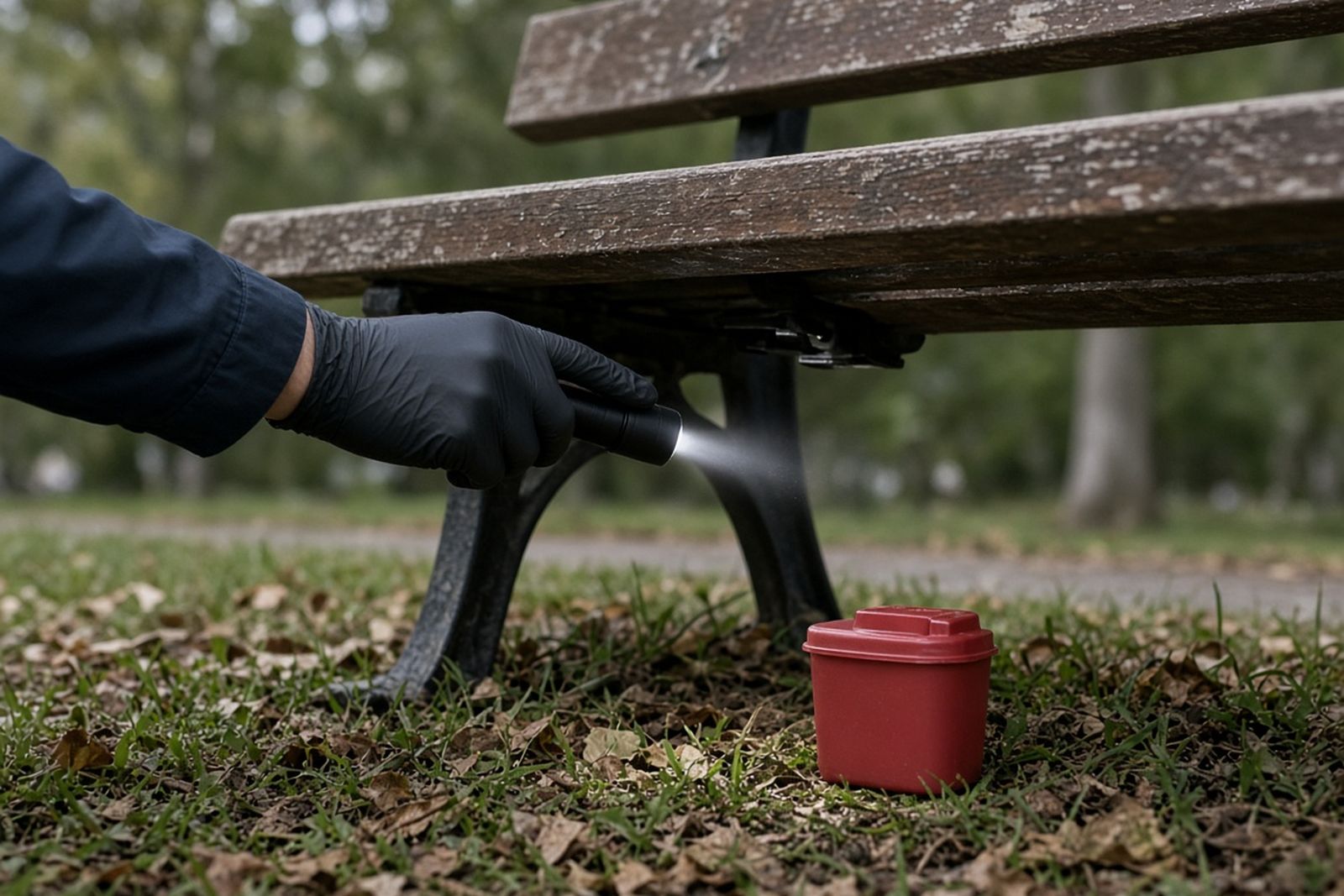
Needle & Sharps Disposal services
See how field pickup, container swaps, camp sweeps, and regulated transport fit together when used needles turn up on a property.
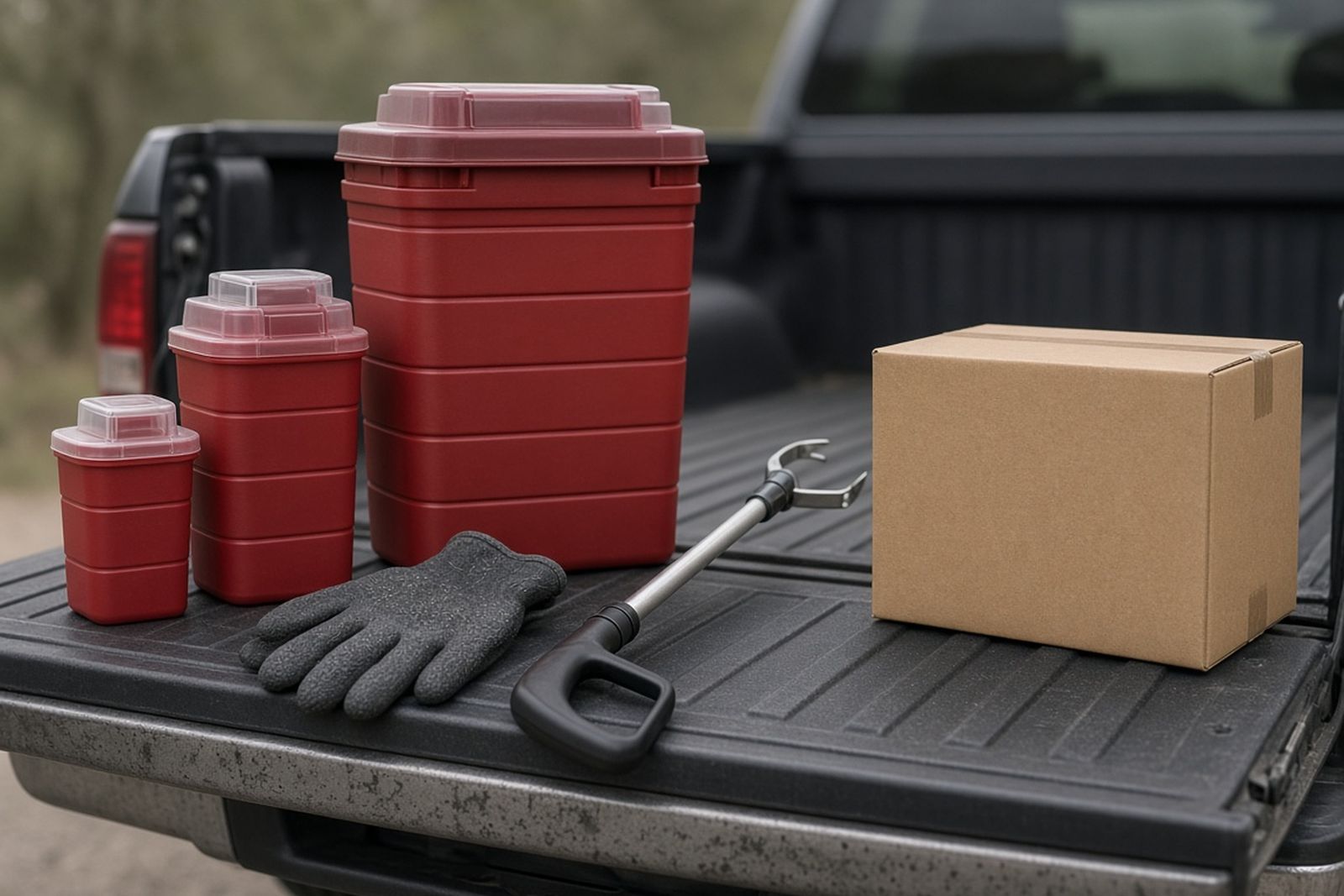
Costs explained
What drives the price, published cost ranges, and how to read a written quote line by line.
Planning tools
Work through cost ranges, provider questions, claim steps, first-day actions, waste types, and a DIY risk check built for found needles.
Community polls
Compare your gut sense with other renters, landlords, and parents on how to report, pay for, and check sharps cleanup in shared spaces.
Knowledge quiz
Test whether you can spot hidden sharps, know who is responsible, and pick a disposal route your local office would accept.
Articles and resources
Read longer pieces on rental turnovers, camp cleanups, home sharps programs, parking lot hazards, and what to expect after a needle stick.