Needle & Sharps Disposal location coverage standards
Why a city name alone is not local expertise.
We have not published city pages for this specialty yet. Pages stay unpublished until they contain researched local context and useful decision support. Use the form to ask about your area.
Get an email reply about needle & sharps disposal
Send a short message to the follow-up inbox. A coordinator can reply by email. This form does not send emergency help; call 911 first if anyone is in danger.
Research before reach
A location is published only when its page includes meaningful local property, access, climate, jurisdiction, or documentation considerations.
Everything for one city on one page
Planning, safety, insurance, provider questions, sources, and documentation for each city sit together on a single guide.
No invented local offices
A city guide does not claim a storefront, parked crew, guaranteed arrival, job count, rating, or credential that has not been independently verified.
Use the national service guidance
The service and article libraries explain hazard controls, documentation, insurance questions, and provider verification without pretending those requirements are identical in every jurisdiction.
Not sure where to start?
Send a short message about your situation. Your request is sent to the follow-up inbox. A coordinator can reply by email.
Your request is sent to the follow-up inbox. A coordinator can reply by email.
If anyone is hurt or in danger, call 911 first.
Why location matters for needle & sharps disposal
Where a needle turns up decides almost everything about how it leaves. Some states let residents put sealed home sharps containers in the garbage. Others ban it and require drop-off or mail-back. Counties and cities often add their own kiosk programs, collection events, and rules about what a business may bring. The kind of ground matters just as much. A syringe on a downtown sidewalk is usually handled by a city program. One in a strip-mall lot is up to the property owner. One along a riverbank trail may involve a parks department, a transit agency, or a utility that has rights to that land. Weather shapes the search, too. Melting snow shows needles buried all winter. Thick summer growth hides them along fences. Desert washes scatter them after storms. Local practice drives the plan.
Several local offices can help once you know which one controls the spot where a needle was found. The county or city health department usually runs or lists community sharps programs. It can tell you whether home containers may go in the trash. Public works, parks, or sanitation departments often respond to syringes on sidewalks, playgrounds, and public land. Some use a report line or a city service app. The state environment agency usually permits medical waste haulers and treatment plants. Police non-emergency lines handle cases where a needle is tied to other problems at the property. School districts and housing authorities manage their own grounds. Drug stores and hospitals may host drop-off kiosks. If you are not sure who owns a piece of land, the county property records office can tell you. Rules vary by state and county, so check the details with the local office that controls the site.
Before you hire anyone to pick up sharps, confirm how the needles will travel and where they will end up. Have the provider name the permitted hauler and the plant that destroys the sharps. Then check both with your state environment agency. Ask what containers the crew carries. Ask how they search ground cover like mulch, gravel, and grass. Ask whether a second sweep is included after yard work or junk removal turns up more items. Request a sample pickup report with private details removed. That shows you how they record locations, counts, and container handoffs. Ask how workers are trained and what happens if one gets stuck on your property. A provider that suggests just bagging needles with other trash, or cannot name where they get treated, is not handling sharps the right way for your county.
What to verify locally
- Whether your state and county let sealed home sharps containers go in the trash, or require a drop-off site, mail-back program, or collection event instead.
- The licensed medical waste hauler and treatment plant the provider uses. Check them with your state environment agency, not just a sales brochure.
- Who owns the land where needles keep showing up. That includes alleys, planted strips, and land that a city, utility, or next-door business has rights to.
- Whether your city has a public report line or app for syringes on sidewalks, in parks, or at transit stops, and how it confirms the pickup happened.
- How the provider records each pickup. That includes places searched, items found, the container seal, and the handoff to a treatment plant.
- Whether local drop-off kiosks take sharps from businesses like tattoo shops, salons, or small clinics, or only from homes.
National figures for context
These are national or research figures, not data for any one city.
- 3 billion
The Legislative Analysis and Public Policy Association reports an estimated nine million US sharps users give more than three billion injections outside healthcare facilities each year, with no federal requirements for disposing of home-generated sharps.
Read with care: Other groups cite higher figures (such as 7.8 billion) depending on whether lancets and pen needles are counted.
Source: Legislative Analysis and Public Policy Association (LAPPA) (2024)United States, self-injectors outside healthcare settings, annual estimate
- 94%
94% reported encountering needles or syringes while on duty.
Read with care: Occupational/local sample; no infection transmission rates established.
Source: Mittal et al. (2016)503 Tijuana police officers in an anonymous 2014 occupational survey.
- July 1, 2012
Since July 1, 2012, Massachusetts regulation 105 CMR 480.125 has prohibited disposing of home sharps, including unopened needle and lancet packages, in household or other municipal solid waste.
Read with care: Applies only in Massachusetts; enforcement is at the local level and approved disposal options vary by town.
Source: Massachusetts Department of Public Health (via Cornell LII) (2012)Commonwealth of Massachusetts, home-generated sharps
These figures are public research and agency data, not this network's own job records. Keep each number with its population, year and limits; none of them predicts cost, timing or outcome at a specific property.
Local questions about needle & sharps disposal
Who picks up a syringe found on a city sidewalk or in a public park?
In many places, the city or county handles syringes on public land. It may be through public works, parks, or a health department program. You can often reach them through a non-emergency line or a city service app. Report the exact spot, a nearby landmark, and whether children use the area. Do not try to move the needle while you wait. If there is no public program, the health department can usually tell you which office or contractor responds in your area.
Can I put my sealed home sharps container in the regular trash?
That depends on your state and local rules. Some places accept sealed, stiff containers with home garbage. Others ban it and send residents to drop-off sites, mail-back kits, or collection events. Recycling is never the right place. Call the local health or sanitation office and ask about home sharps by name. Then follow what they tell you about container type and labels.
Needles keep appearing in my business parking lot. Where do I start locally?
Start by confirming exactly which areas you control. Planted strips, alleys, and shared-use land may belong to the city or a neighbor. Arrange professional pickup for your part and keep records of each visit. Ask the local health department about outreach or syringe services programs in the area. Talk with police non-emergency staff if other activity is involved. Owners often talk with local officials about lighting, landscaping changes, and locked dumpster areas as ways to prevent more finds.
Where are sharps drop-off sites in my area?
Your county or city health department is usually the best source for current drop-off sites. These can range from drug store kiosks and hospital lobbies to city hazardous waste sites. Some state environment agencies also post lists. Sites change, and hours and accepted container types vary, so call before you go. Ask whether the site takes sharps from businesses or only from residents, since many programs draw that line.
Do rural areas handle sharps disposal differently from cities?
Often they do. Rural counties may have fewer drop-off kiosks and fewer collection events. So mail-back programs and drug store take-back become more important. Licensed haulers may serve rural properties on a set route instead of on demand. Found needles on farmland, at trailheads, or at roadside pullouts may be handled by a county road department or land agency. Ask your county health department which option is realistic where you live.
Does snow or heavy vegetation change how a sharps sweep is planned?
Yes. Snow and ice hide needles for months, and a thaw can reveal many at once. So spring sweeps are common where winters are long. Tall grass, shrubs, and fallen leaves hide syringes along fences and building edges. Crews may trim or rake plants with tools before searching, then recheck after yard work. Tell the provider about recent weather and planned mowing so the sweep is timed well.
Who handles needles found on school grounds or in public housing?
School districts and public housing authorities usually manage their own grounds. They often do it through a facilities department with written steps for sharps. Report a find to the school office or the housing authority's repair line. Ask how they will close off the area. Parents and residents should not pick up needles themselves. If you cannot get a response, the local health department can usually help you find the right contact.
More on needle & sharps disposal
Needle & Sharps Disposal services
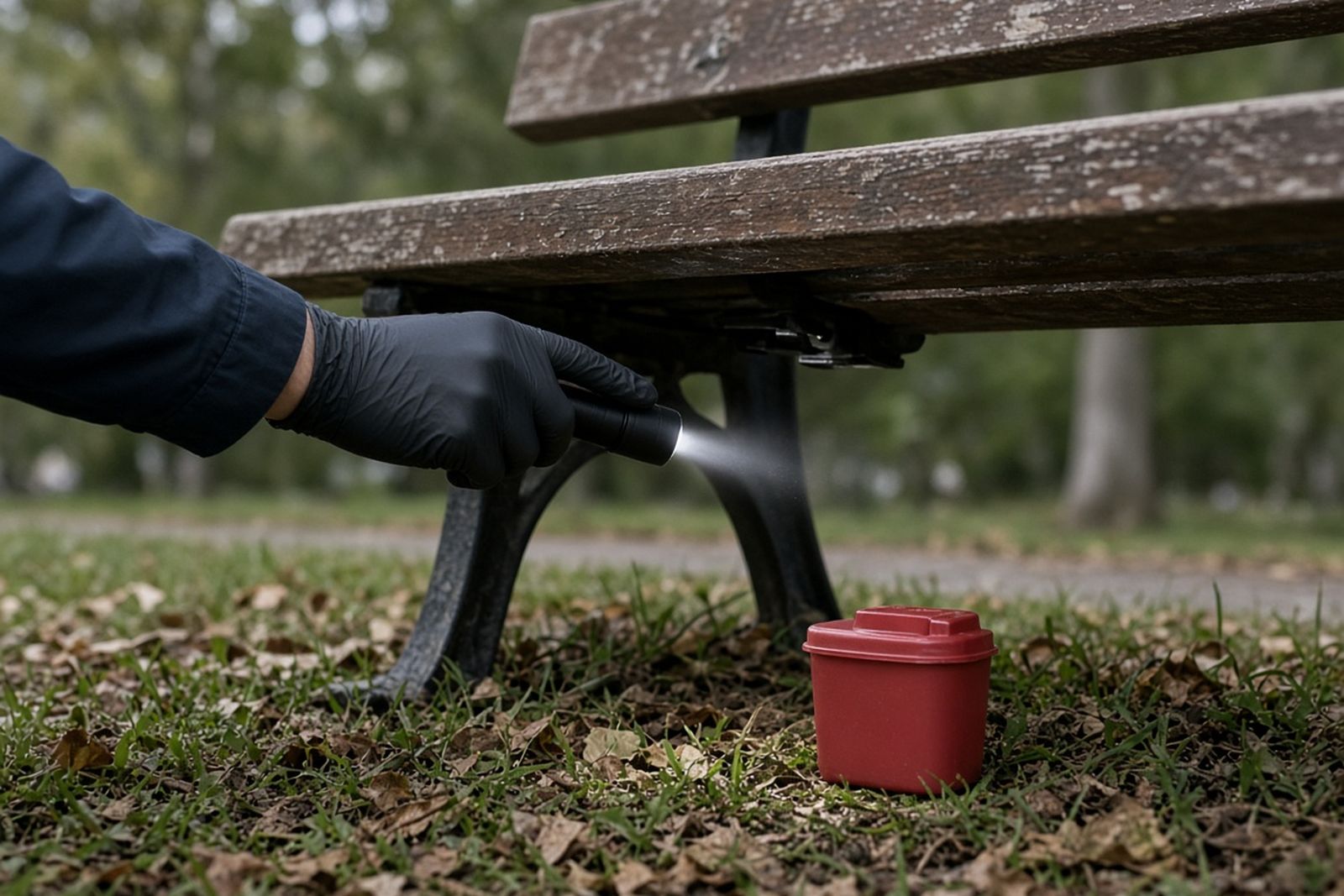
See how field pickup, container swaps, camp sweeps, and regulated transport fit together when used needles turn up on a property.
Costs explained
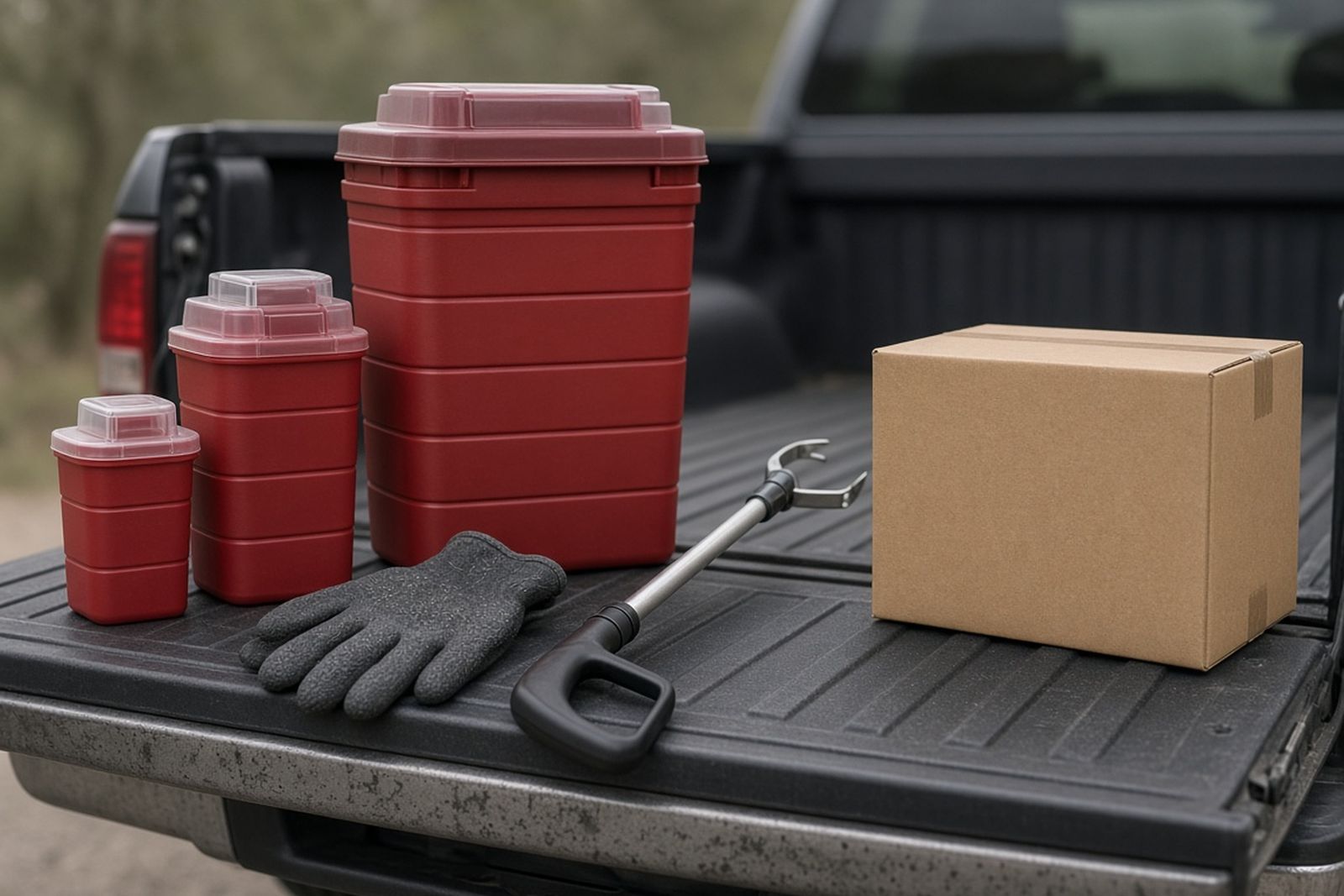
What drives the price, published cost ranges, and how to read a written quote line by line.
Insurance and payment
Which policies may respond, how to document a claim, and what to do if coverage is denied.
Planning tools
Work through cost ranges, provider questions, claim steps, first-day actions, waste types, and a DIY risk check built for found needles.
Community polls
Compare your gut sense with other renters, landlords, and parents on how to report, pay for, and check sharps cleanup in shared spaces.
Knowledge quiz
Test whether you can spot hidden sharps, know who is responsible, and pick a disposal route your local office would accept.
Articles and resources
Read longer pieces on rental turnovers, camp cleanups, home sharps programs, parking lot hazards, and what to expect after a needle stick.