Short answer
Usually not on its own. Homeowners and landlord policies respond to sudden physical loss, and picking up a few discarded syringes rarely creates one. Coverage becomes more realistic when sharps are part of a larger covered event, such as vandalism or break-in damage. For routine pickup, most owners pay directly or use a free community program. Always confirm with your agent in writing.
Why most sharps pickups fall outside a property policy
A homeowners policy is designed to pay for damage to your house and belongings when something sudden and accidental happens. A syringe in the flower bed is unsettling, but it usually has not damaged anything. There is no broken wall, no burned floor, no ruined furniture. From an adjuster's perspective, removing it is closer to yard maintenance than to a loss.
That can feel frustrating when you are staring at a needle near the spot where your kids play. The risk is real, but insurance language tracks physical damage rather than risk. Knowing that ahead of time helps you avoid waiting on a claim decision while the needle is still sitting there.
Your city or county solid waste office can tell you who handles sharps collection where you live. Policy forms vary by carrier, so read yours and ask your agent before you assume either way.
When might sharps disposal be part of a covered claim?
Sharps sometimes turn up as one piece of a bigger event. If someone broke into a detached garage, damaged the door, and left used syringes behind, the forced entry may qualify as vandalism or burglary damage. In that case, the sharps pickup might be folded into the cleanup costs for the covered event, subject to your deductible.
The same logic can apply when a vacant rental is occupied without permission and left with damage and debris. Whether the syringe collection is included depends on your form, your vacancy provisions, and how the adjuster scopes the loss. The needles themselves rarely trigger coverage; the damage around them might.
- Forced entry, broken locks, or damaged windows alongside discarded needles.
- Squatter or trespasser occupancy that left property damage behind.
- Sharps mixed into debris from a covered event that also needs professional removal.
- Contamination of belongings that a policy treats as part of a vandalism loss.
Sharps you generate at home for medical care
Home-generated sharps, like insulin pen needles, lancets, or injectable medication syringes, are a different category entirely. Homeowners policies do not pay for their routine disposal, because it is a normal part of managing a health condition. The costs usually fall to you, your pharmacy program, or sometimes your health plan.
Disposal rules for household sharps are set largely at the state and local level. The Legislative Analysis and Public Policy Association noted in its 2024 summary of state laws that there are no federal requirements for disposing of home-generated sharps. That patchwork is why your neighbor in another county may have a completely different drop-off option than you do.
Mail-back kits, pharmacy take-back, and household hazardous waste events are the common routes. Some are free, some charge a fee, and availability changes. Your local solid waste or public health office is the best place to confirm what applies to you.
Could a needlestick on your property become a liability issue?
This is where insurance can matter more than the cleanup itself. If a guest, delivery driver, or contractor is stuck by a discarded needle on your property, the question shifts from property damage to liability. Many homeowners and landlord policies include liability coverage, and a claim like that would be evaluated under those terms rather than as a cleanup expense.
That is a strong reason not to leave discarded sharps in place while you wait. Prompt, documented removal shows you took reasonable steps once you knew about the hazard. It also protects the people who come and go from your property, which matters more than any claim outcome.
If someone is stuck, the priority is medical care, not paperwork. The person should wash the area with soap and water and contact a healthcare provider or urgent care promptly for evaluation. Then notify your insurer about the incident.
Landlords and homeowners associations should also think about common areas. A needle in a shared stairwell, laundry room, or parking garage is a hazard for every resident who passes through. Some associations carry their own liability and property policies, and the master policy may treat common-area incidents differently from a single owner's unit. If you live in a condo or townhome community, report the find to management in writing so the right policy and the right people are involved.
Needles alone vs needles plus damage
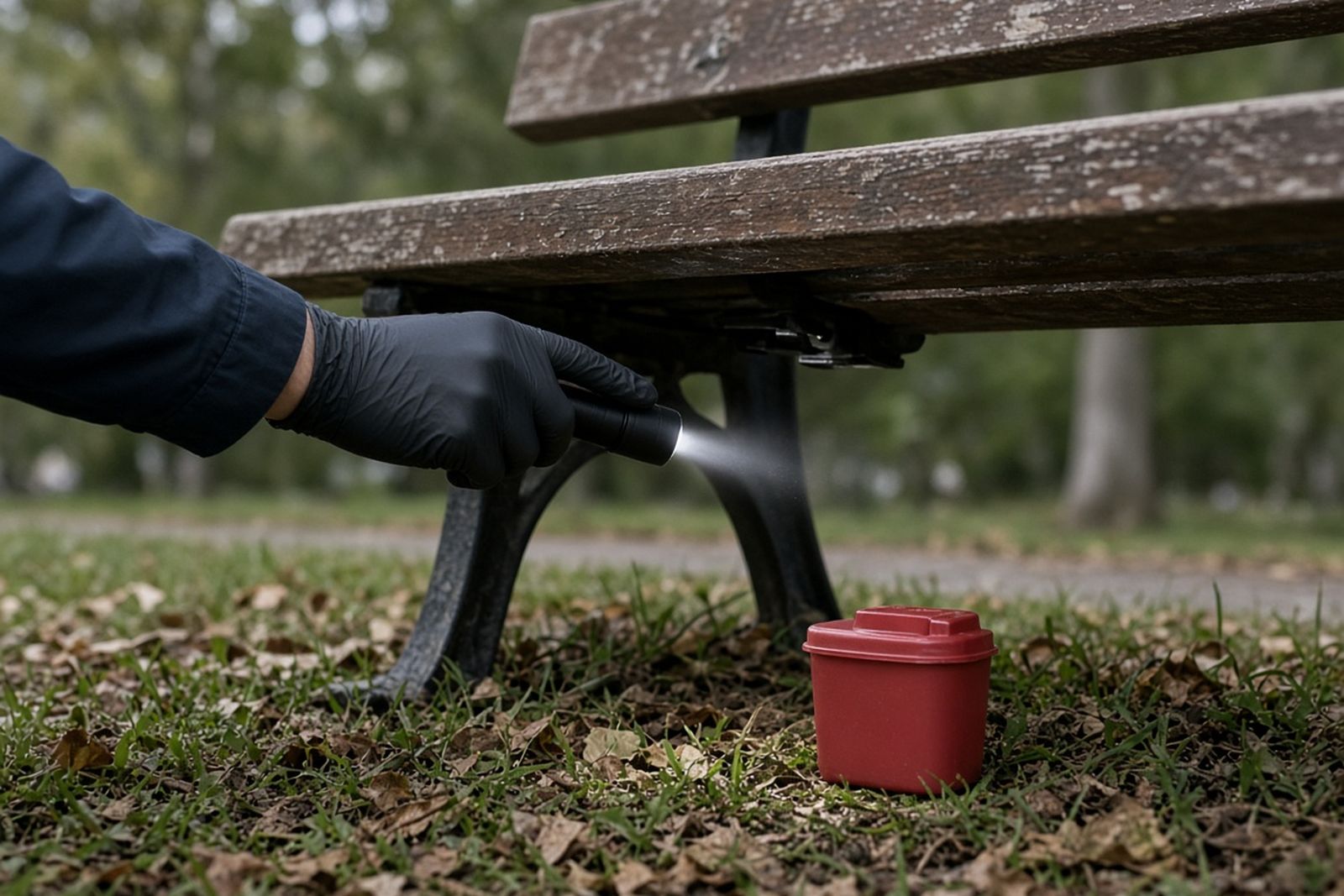
The line between an uncovered cleanup and a possible claim usually comes down to one question: was anything damaged? Syringes, cotton, and a torn bag tucked against a back fence that borders a path or greenbelt, with nothing on the property harmed and no sign anyone entered the home, is the most common kind of find. A claim for that is unlikely to go anywhere. There is no physical loss to the dwelling, and a few needles near a fence are the kind of problem most policies do not address. A more practical path is to keep people and pets away, check whether your city or county offers free sharps pickup for public-adjacent areas, and hire a provider if no program applies or if you want same-day removal.
Add one detail, such as a shed lock pried open and a split door frame, and the conversation changes. The shed damage may be covered as vandalism, and the adjuster may agree that removing sharps from inside the shed is part of restoring the loss. The needles did not become covered on their own; the break-in brought them along.
What to document either way
Even if you expect to pay out of pocket, good documentation is worth a few minutes. It helps if a liability question comes up later, if a neighbor asks what happened, or if the problem returns and you need to show a pattern to a city office or property manager.
- Photos of each needle where it lies, taken from a safe distance without handling it.
- The date, time, and exact location, including distance from doors, play areas, or sidewalks.
- Any signs of forced entry, damage, or occupancy by someone without permission.
- A copy of any report you made to local police, public works, or the city's service line.
- The provider's invoice showing the number of sharps collected and how they were disposed of.
Where renters and tenants fit
If you rent and find a needle in your unit, yard, or building, your first call is usually to your landlord or property manager rather than to an insurer. Keeping the premises safe is generally the owner's responsibility, and many leases spell out how hazards should be reported. Put your report in writing and include photos, so there is a clear record of when the hazard was raised.
A renters policy mainly covers your own belongings and your personal liability. It is unlikely to pay for sharps pickup in a hallway or on a lawn the landlord controls. If a needle damaged something you own, such as a punctured air mattress or a contaminated bag, that is a small personal-property question worth asking your agent about, but most people find the deductible makes it impractical.
If a pattern develops, such as needles appearing near your entrance every week, ask the landlord what steps they are taking. Better lighting, locked gates, disposal boxes in nearby public areas, or scheduled sweeps are the kinds of practical measures that reduce repeat finds far more than any insurance claim will.
What should you ask your agent before filing?
A quick phone call can save you from filing a claim that would be denied and still sit on your record. Ask general questions first, and ask whether the conversation itself counts as a claim.
- Would removal of discarded sharps fall under any coverage on my policy, with or without other damage?
- Is vandalism or malicious mischief covered, and does my vacancy status affect that?
- If someone is injured by a needle on my property, how would my liability coverage respond?
- Does my deductible make it pointless to file for a small cleanup?
- Do you need to inspect before I have the sharps removed?
Paying directly
For many households and small landlords, direct payment is simply faster. You can schedule removal right away, keep the area safe, and avoid a claim on your record for a small amount. Ask for a written quote that lists the scope, the number of containers expected, and where the waste will go after pickup.
Community resources can reduce the cost to little or nothing. Some cities run needle pickup lines, and some public health departments, harm reduction programs, or pharmacies accept sealed sharps containers. Availability and rules change, so call first and confirm what they take before you drive anywhere with a container.
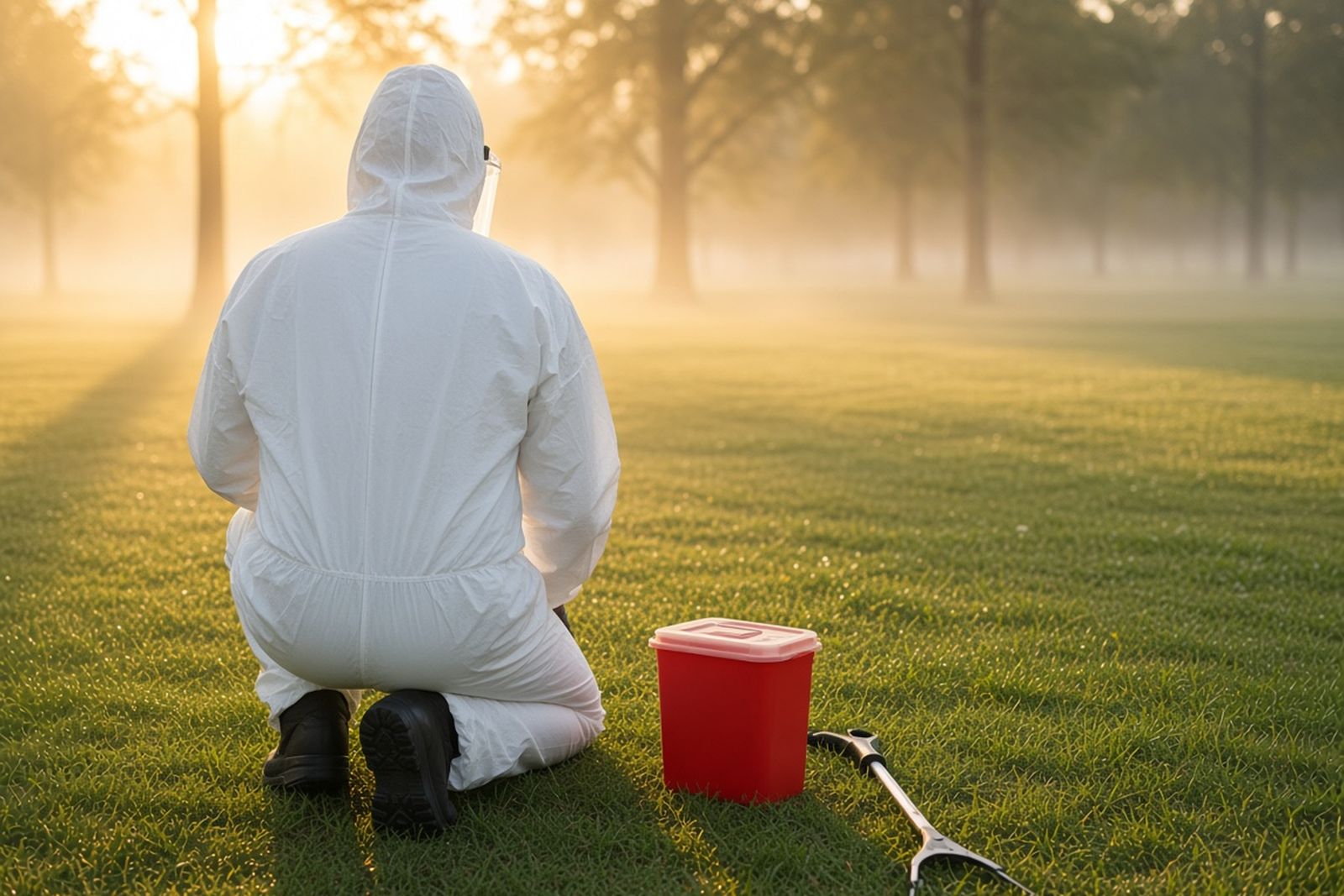
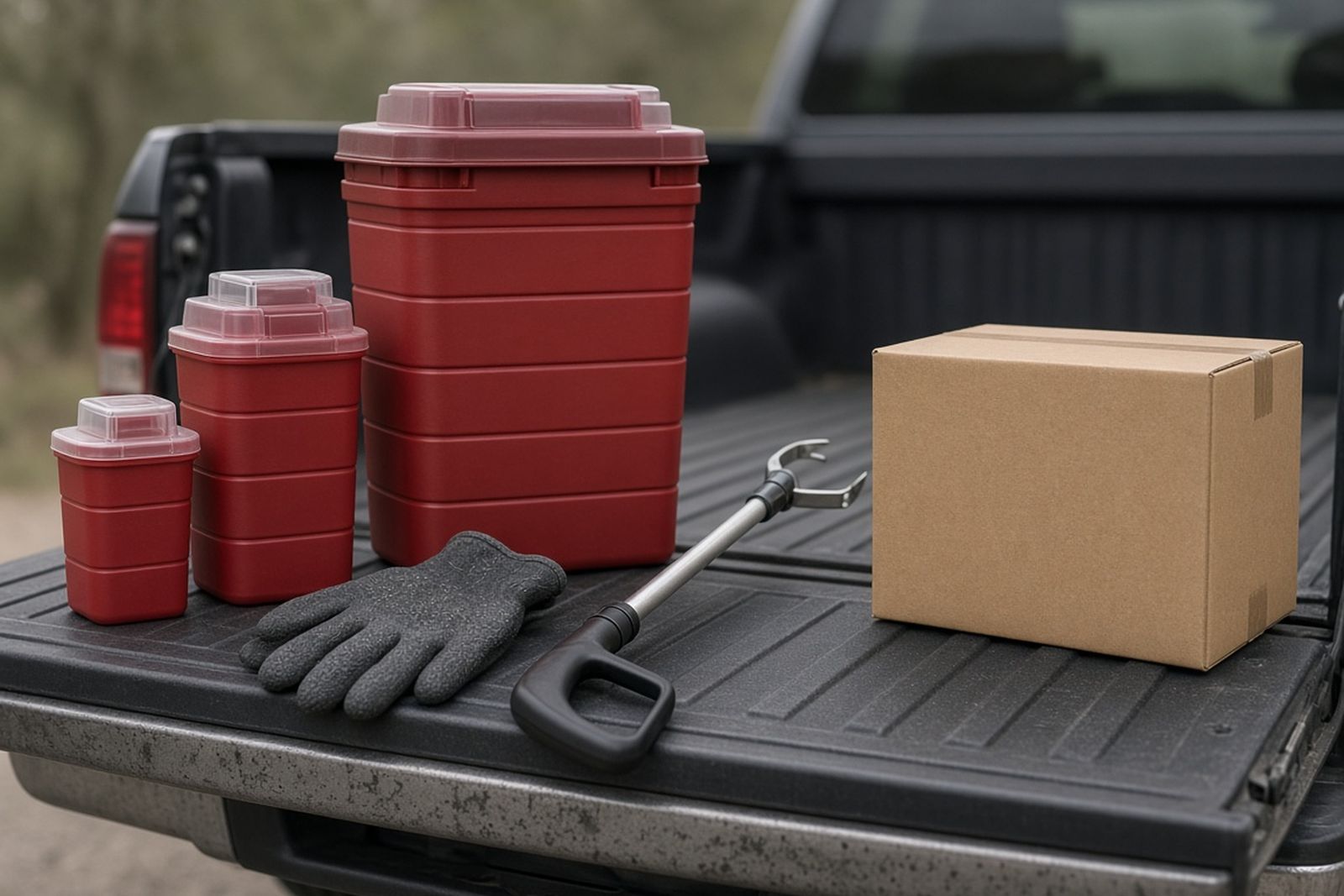
Whichever route you choose, never try to recap, snap, or crush a found needle, and never put it loose in a household trash bag where a sanitation worker could be stuck. If you do not have a proper container and a no-touch tool, leave it for a trained provider.