Needle & Sharps Disposal: Choosing a Company
Evidence to request from needle & sharps disposal providers: business identity, applicable training, insurance, scope assumptions, waste routing, verification, availability, and responsibility for subcontractors.
Posts in this category help you tell a qualified sharps provider from one that is just willing to pick things up. They suggest questions about the licensed hauler and treatment plant, and the tools and containers crews carry. They also cover how search zones are planned, whether second sweeps are included, and what papers you get. Red-flag posts cover offers to bag needles with regular trash, not wanting to name where waste goes, and staff who handle syringes by hand. Other articles cover checking crew training and exposure plans. They also compare an on-call responder with a regional medical waste hauler.
Get an email reply about needle & sharps disposal
Send a short message to the follow-up inbox. A coordinator can reply by email. This form does not send emergency help; call 911 first if anyone is in danger.
Choosing with care protects people who use your property. It also limits your risk if something goes wrong. A provider that records each visit gives you proof that you acted fast on a known hazard. That can matter to tenants, auditors, and insurers. The right fit also depends on the job. A property with a few finds now and then may need an on-call responder. A clinic or tattoo shop may need a scheduled swap program. The articles show how to match the provider to the task and check references from similar clients. They also show how to make sure promises from a sales call show up in the written deal.
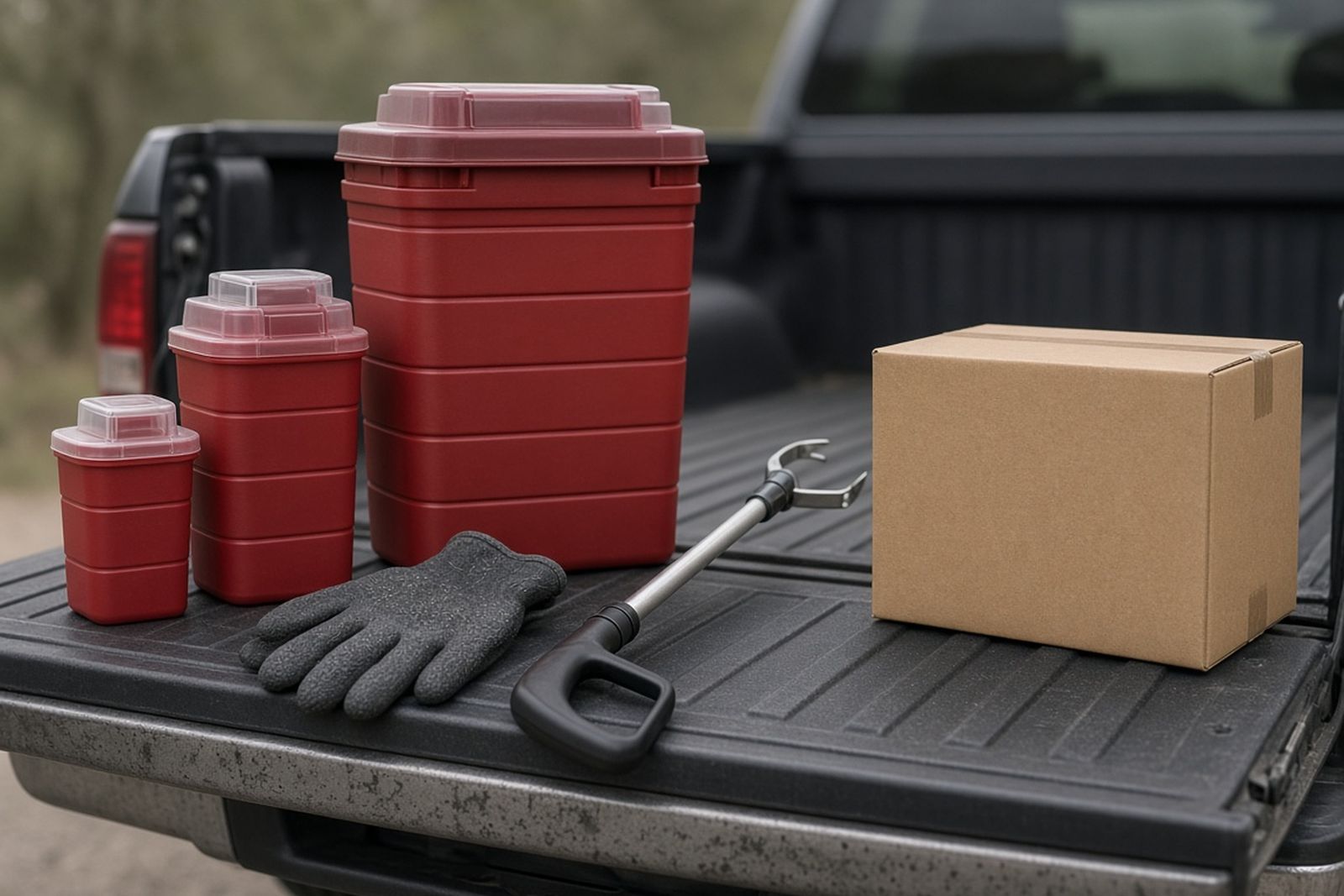
10 Questions to Ask Before Hiring a Needle & Sharps Disposal Company
Hiring someone to collect found syringes or run sharps pickups? Ask these ten questions about search methods, containers, disposal records, and response.
Before hiring a needle and sharps disposal company, ask how it searches an area, what tools and containers it uses, how technicians are trained and protected, where the sealed containers go, what records you receive, how it prices one-time and recurring service, how fast it responds, what it does with related debris, what happens after a needlestick, and whether it can advise on reducing repeat finds.
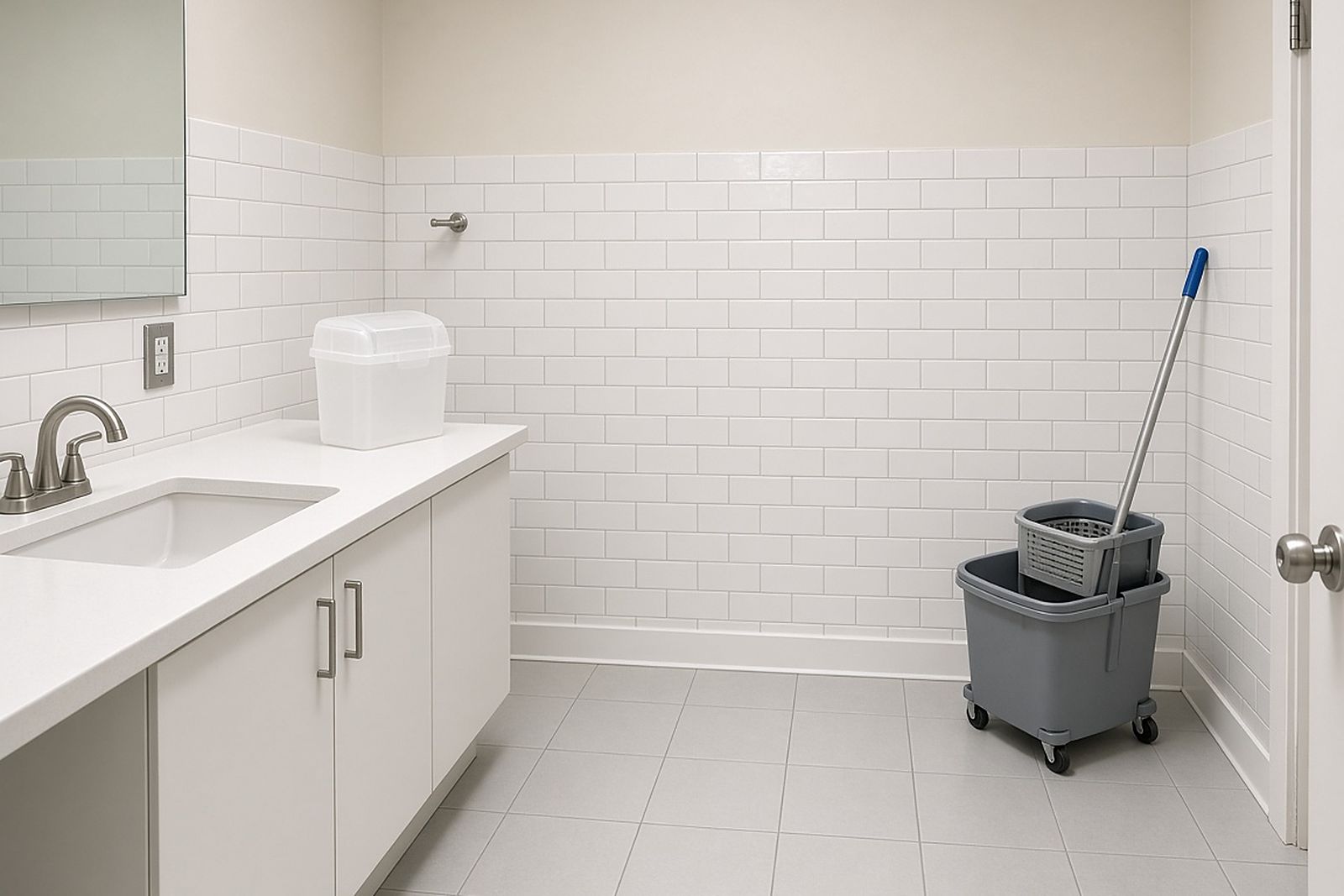
Red Flags When Hiring Needle & Sharps Disposal Services
Found syringes on your property? Learn the warning signs that a sharps pickup company lacks proper containers, disposal routes, records, or exposure plans.
The biggest red flags in a needle and sharps disposal service are hand pickup or trash-bag collection, vague answers about where sharps are taken, no written estimate or pickup record, no plan for a technician needlestick, prices quoted before any questions, and pressure to sign long contracts. A qualified provider explains its search method, containers, disposal route, and paperwork plainly before work begins.

Training, Documentation, and Credentials for Needle & Sharps Disposal
What training, records, and permits should a sharps pickup crew have? A plain guide to bloodborne pathogen training, waste paperwork, and what to verify.
No single national certificate qualifies someone to collect discarded needles. What matters is a combination of bloodborne pathogen training, a written exposure control plan, hepatitis B vaccination offered to workers, a legitimate medical waste disposal route with state permits where required, and clear records for every pickup. Ask to see these, and verify local requirements with your state or county.
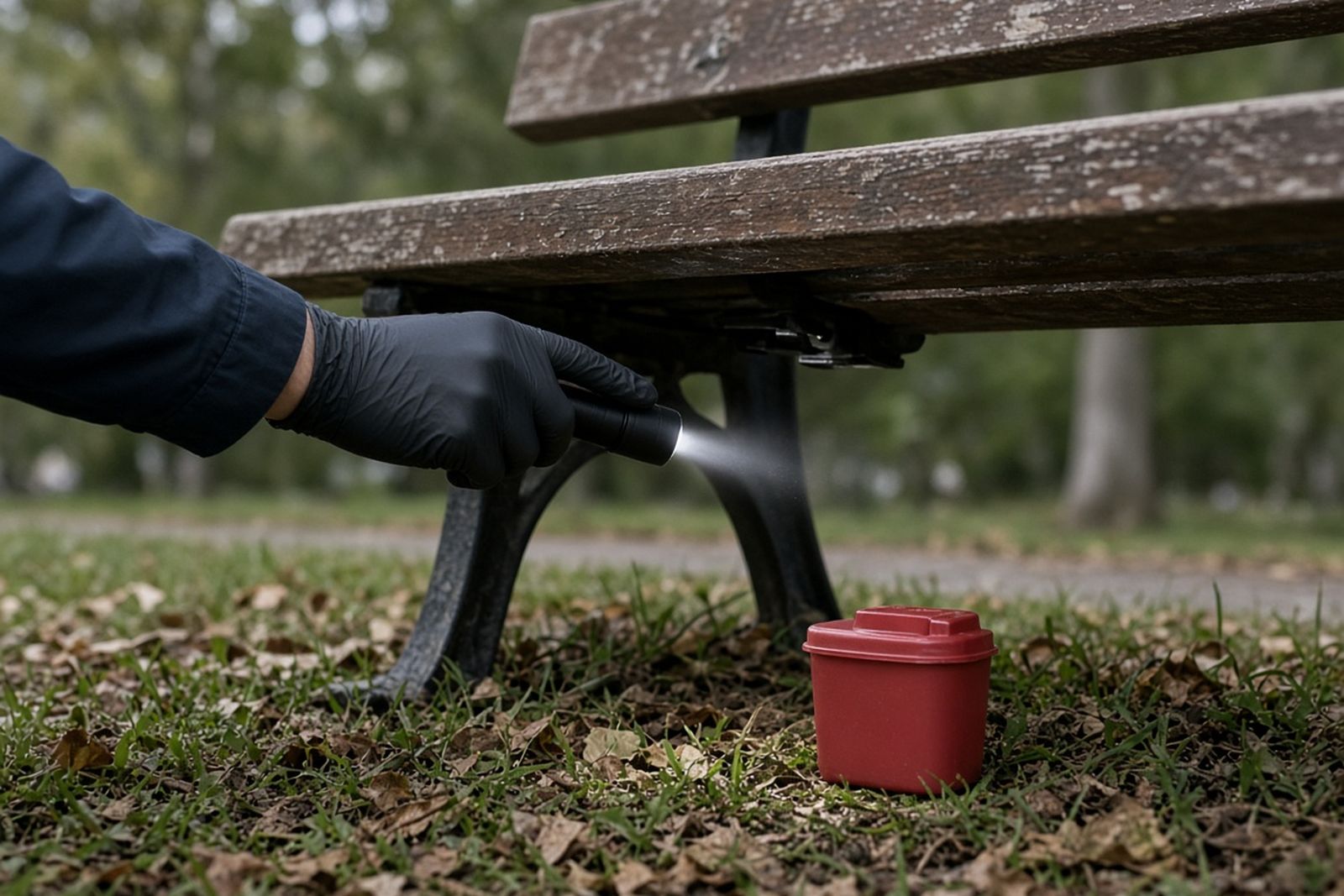
How to Compare Local and National Needle & Sharps Disposal Providers
A local sharps crew knows your city's disposal rules; a national firm offers consistent reports across sites. Here is how to compare them on what matters.
Compare local and national needle and sharps disposal providers on the same points: who will actually do the work, how they search, which licensed disposal route they use, how they train and protect technicians, what records you receive and how well they understand your state and city rules. Local firms often know the area well; national firms may offer consistency across many sites. Neither is automatically better.
Sourced figures on choosing a company
- 0 HHW sites
Illinois EPA states that sharps are not accepted at any Illinois household hazardous waste collection sites or events, directing residents to drop-off sites or mail-back programs instead.
Read with care: Illinois-specific; some other states do accept sharps at household hazardous waste events.
Source: Illinois Environmental Protection Agency (2024)State of Illinois household hazardous waste program
- 3 billion
The Legislative Analysis and Public Policy Association reports an estimated nine million US sharps users give more than three billion injections outside healthcare facilities each year, with no federal requirements for disposing of home-generated sharps.
Read with care: Other groups cite higher figures (such as 7.8 billion) depending on whether lancets and pen needles are counted.
Source: Legislative Analysis and Public Policy Association (LAPPA) (2024)United States, self-injectors outside healthcare settings, annual estimate
- 15.1%
Other blood/body-fluid exposures were reported by 15.1% of nurses and 6.7% of aides.
Read with care: Occupational sample; career prevalence differs from annual risk.
Source: Quinn et al. (2009)Home-care workers recruited through nine agencies and two unions, 2006–2007.
These figures are public research and agency data, not this network's own job records. Keep each number with its population, year and limits; none of them predicts cost, timing or outcome at a specific property.
What research has found
Findings from published studies of people and properties in situations like this one. They describe what researchers observed in a specific group; they are not predictions for your case.
Nine respondents reported a household needlestick injury.
Education, knowledge and attitude jointly predicted reported disposal practices in the study model.
Choosing a Company: common questions
What is the most important question to ask a sharps provider?
Ask where picked-up sharps go and who hauls them. A real provider can name a licensed hauler and a permitted treatment plant. They can also explain what papers you will get. Vague answers about disposal suggest needles may end up in regular trash. That puts sanitation workers at risk of needle sticks down the line.
Should I worry if a crew member grabs needles by hand?
Yes. Trained responders use tongs or grabbers and put sharps straight into containers needles cannot poke through. Handling needles by hand, putting caps back on, or tossing them into bags suggests the provider lacks the right training or gear. It may be putting its workers and your property at risk. Ask to see the crew's tools before work begins.
Should I choose a local responder or a regional medical waste company?
It depends on what you need. A local responder may get to loose needles on your property sooner and know the area well. A regional medical waste company may be a better fit for scheduled container programs. Some properties use both. Compare their paperwork, where the waste goes, and their references.
Does it help if a provider has worked on properties like mine before?
Experience with similar places, such as apartment complexes, parks, store lots, or empty buildings, can help. It may mean the crew already knows where needles tend to hide and how to work around residents or customers. Ask for examples, even ones with names removed. Experience is valuable, but still check that their tools, disposal route, and records meet your needs.
How important is communication style when choosing a provider?
Very. A provider that explains things clearly, answers questions with patience, and puts promises in writing is more likely to deliver steady work and records. How they talk to people also matters on site, especially with residents, customers, or people living in an area. Notice how the company handles your first call. That often shows how it will handle problems later.
Should I choose a provider that also offers biohazard cleaning?
It can be handy if your site often has blood, body fluids, or heavy junk along with needles, since one crew can handle both. Make sure the sharps work is not treated as a small add-on. Ask about their search method, containers, and disposal route for needles in particular. Ask them to list sharps pickup and cleaning as separate items on the estimate.
What should I do if no provider serves my area?
Check with your county health department, public works office, or a nearby city's program, since some serve nearby areas. Regional medical waste companies may travel for scheduled visits. In the meantime, keep areas closed and report finds. Think about whether a trained staff member could handle a single needle in plain sight under local rules. Ask providers in nearby areas whether they would travel.
Related community polls
Every count is a real visitor vote; nothing is seeded or padded. One vote per poll per device, and you can change your answer.
If you found a syringe in a shared area of your building, what would you most likely do first?
How do you currently manage medical sharps generated at home?
More on needle & sharps disposal
Needle & Sharps Disposal services
See how field pickup, container swaps, camp sweeps, and regulated transport fit together when used needles turn up on a property.
Costs explained
What drives the price, published cost ranges, and how to read a written quote line by line.
Insurance and payment
Which policies may respond, how to document a claim, and what to do if coverage is denied.
Planning tools
Work through cost ranges, provider questions, claim steps, first-day actions, waste types, and a DIY risk check built for found needles.
Community polls
Compare your gut sense with other renters, landlords, and parents on how to report, pay for, and check sharps cleanup in shared spaces.
Knowledge quiz
Test whether you can spot hidden sharps, know who is responsible, and pick a disposal route your local office would accept.